
Search Engine Optimization (SEO) is all about creating great content that people want to read and sharing valuable information. Despite rapid changes in search engine algorithms, some key SEO Strategies remain effective.
In 2026, effective SEO Strategies focus on establishing credibility, providing quality content and demonstrating relevance to search engines rather than relying on shortcuts or manipulation tactics.

Here are some key SEO Strategies
1. Topical Expertise
Creating content that shows you are an expert on a specific topic is now more important than just using the right keywords. when a site consistently publishes high quality, well-structured and deeply informative content around a particular topic, search engines begin to recognize it as an expert source.
How to Establish Topical Expertise
- Create content groups around a main theme
- write articles on subtopics that support the main theme
- Link these articles together in a clear structure
- answer all the questions your audience has about the topic
Google wants content creators who their stuff inside out. If your website covers a topic thoroughly, Google sends a clear signal: “This website is an expert- rank it higher”.
2. High Quality Content Still Rules
In 2026, Google wants content that is real, accurate, actionable, helpful and human- centered. This is why the “Helpful Content Update” remains one of the most impactful shifts in SEO.
What counts as helpful content?
- Content that addresses the reader’s problem
- Clear explanations, examples and steps
- Insights based on experience or expertise
- Updated and relevant information
What no longer works?
- Low quality content that is just stuffed with keywords
- Thin articles written just to rank
- AI- generated content with no value
Valuable content enhances user engagement, increases dwell time and fosters trust with the audience ultimately contributing to a positive user experience.
3. On- Page Optimization Still Works Effective
On-Page optimization remains one of the most straightforward SEO Strategies to improve search engine rankings.
It involves optimizing elements directly on the page—such as titles, meta descriptions, headers, keywords, URLs, internal links, images, and overall content quality—to help search engines understand the topic and relevance of the page.
On-page optimisation ensures your content is clear, helpful, structured, and easy to crawl, making it a core part of any successful SEO strategies.
To enhance on-page SEO, write a clear H1, use natural headings, include your keyword early, keep URLs short, add alt text, craft a compelling meta description, and format content for readability.
Google scans your content to understand what it is about and what users are looking for and optimizing these signals help it rank better.
Good on-page SEO improves clarity, user experience, indexing and crawlability.
4. Improve Rankings with Strategic Internal Linking
Internal linking is one of the important SEO Strategies that connects users to more relevant content, improving engagement and search rankings and enhancing overall website optimization efforts through better keyword placement and anchor text.
Strategic internal linking strengthens your SEO by creating clear pathways that show Google how your pages are organized, which topics are most important, and how different pieces of content relate to each other.
By linking high-authority pages to newer or weaker pages, you distribute link equity across your site, helping more pages rank higher.
When done correctly, internal linking supports topical authority, improves crawl efficiency, and ensures Google indexes your content more deeply and accurately.
In short, strategic internal linking is a foundational SEO Strategies that enhances site structure, improves user experience, and directly contributes to stronger and more stable rankings.
Internal links helps google understand your content’s structure and relevance. Link from strong pages to new ones, use keyword- rich anchor text, create hub pages, fix broken links and keep navigation clear.
Internal links share authority, helping lesser- known pages rank better.
5. Backlinks Matters
Backlinks remain one of the strongest ranking factors in SEO Strategies but google is smarter about detecting low- quality links.
Backlinks are like votes of confidence from one website to another. When a reputable site links to yours, it is a signal to search engines that your content is worth checking out. The more quality backlinks you have, the higher you will climb in search rankings.
In 2026, focus on digital PR campaigns, original data studies, expert quotes, podcast interviews, high quality guest posts and collaborations with creators.
Ditch spam directory links, PBNs, link buying schemes and mass blog comment spam does not work anymore.
Search engines have always valued quality over quantity and that is especially true now. They are getting better at sniffing out manipulative tactics, so it is all about earning those backlinks through legit means. Think great content, genuine relationships and adding value to the conversation, that is what you gets noticed and rewarded.
6. User Intent is Everything
User intent reveals the purpose or goal behind a user’s online behaviour helping you understand what they are looking for when they search, click or engage with content.
In 2026, intent optimization is one of the essential SEO Strategies.
Types of User Intent
- Informational intent User wants to learn something. Eg: “What are the best SEO Strategies that work in 2026?”
- Navigational Intent User wants to go to a specific website or page. Eg: “Facebook login” or “OpenAI site”
- Transactional Intent User wants to buy something or complete an action. Eg: “Buy running shoes online”
- Commercial Intent User wants to compare or research before buying. Eg: “Best SEO tools 2026”
When you match user intent, you see higher CTR and longer engagement, which can enhance your search rankings.
To optimize for intent, analyse top ranking pages, identify what google favors and prioritize that in your strategy, match content format and provide exact answers users seek.
7. EEAT: Experience, Expertise, Authoritativeness, Trustworthiness
It is a set of quality signals google uses to evaluate how reliable and valuable your content, website or brand is. EEAT is one the important SEO Strategies and also Google’s key quality framework used to evaluate content.
Experience shows that the creator has first- hand or life experience with the topic. Eg: A traveler writing about a place they actually visited.
Expertise demonstrates knowledge or skill in the topic. Eg: A digital marketer explaining SEO Strategies.
Authoritativeness means the reputation of the creator or website in the industry. Eg: Being known as a trusted source, backlinks from credible sites, mentions, awards.
Trustworthiness is the most important factor. It ensures your website and content are safe, accurate, transparent and safe. Eg: Clear sources, secure website, correct information, no misleading content.
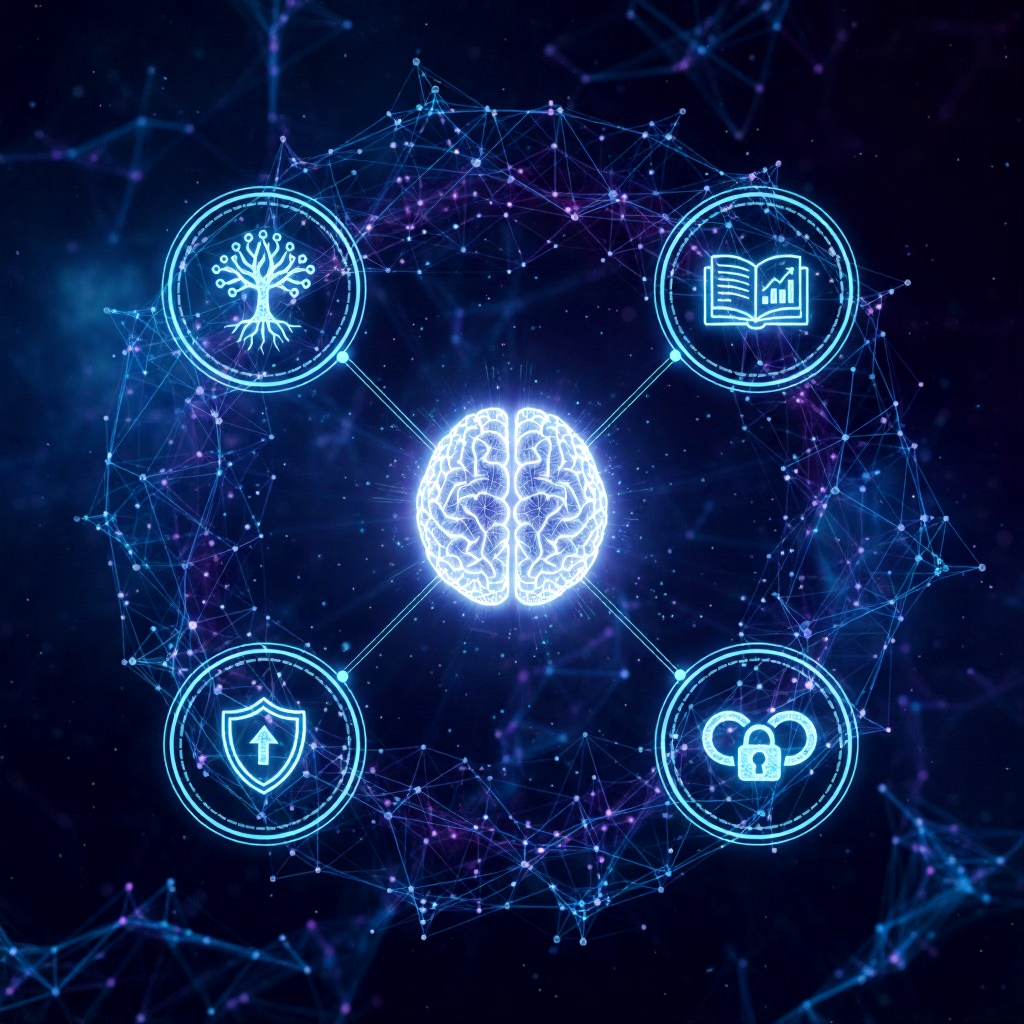
By creating content based on real experience, showcasing your knowledge, building authority in your niche and ensuring your information is accurate and reliable, you help Google see your site as a trusted source.
Strong EEAT signals lead to better rankings, more organic traffic and higher user confidence.
Google does not score EEAT as a direct ranking factor, but it uses EEAT signals to direct understand how much it can trust your website and its content.
7. Level Up your Rankings with Multimedia
Multimedia content is content that uses a mix of visual, audio, and interactive elements such as photos, videos, infographics, sound clips, and animation to present information in a more dynamic and engaging format. It blends multiple media types to improve clarity, capture attention, and enhance the overall user experience across digital platforms.
Multimedia also opens up new ways for people to find your content, like through Google Images or YouTube. Plus, it makes your site more accessible and faster, which also helps with rankings. Overall, multimedia makes your content stronger and more authoritative, helping you outrank others who rely only on text.
When optimized with proper alt text, file names, captions, schema markup, and fast loading compressed files, multimedia strengthens accessibility and improves page speed.
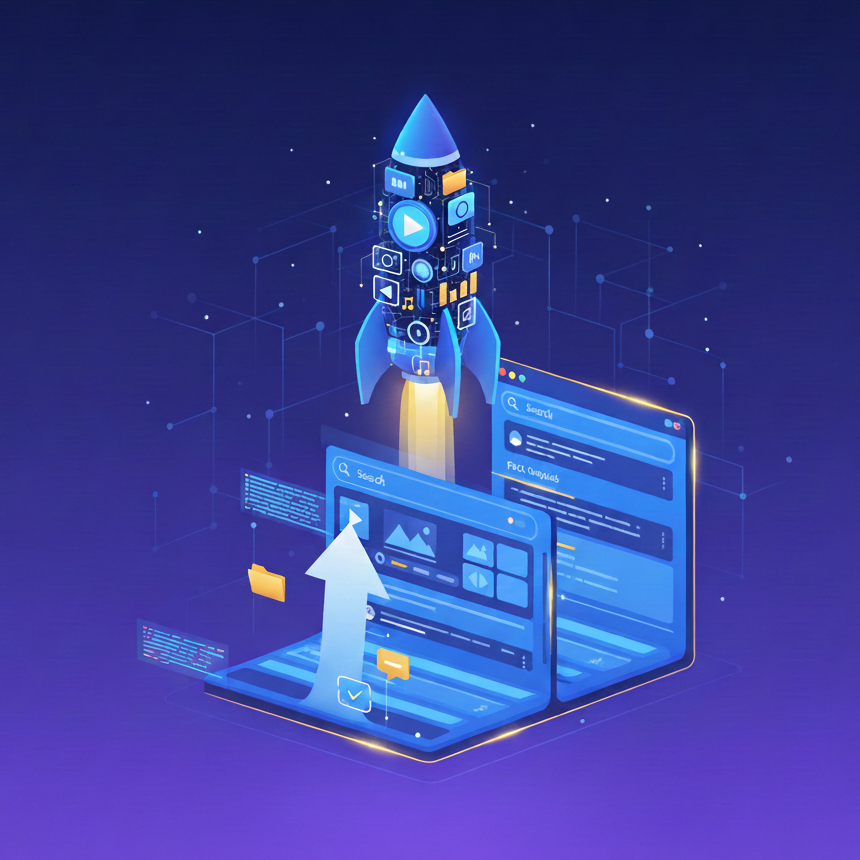
In short, multimedia becomes a powerful part of SEO Strategies by boosting user satisfaction, supporting E-E-A-T, and helping search engines better understand and value your content.
Multimedia is included in SEO Strategies as a key method to enhance content quality, improve engagement, and create multiple pathways for organic visibility.
8. Sites That Load Fast, Rank Best
Fast-loading websites consistently rank better because page speed is one of the most important user experience and SEO Strategies that Google uses to evaluate overall content quality. When a site loads quickly, users can access information without delays, which reduces frustration, minimizes bounce rates, and increases time spent on the page all positive behavioral indicators.
Slow sites, on the other hand, lead to abandoned sessions, lower conversions, and weaker engagement metrics, which directly hurt your rankings. Google’s Core Web Vitals specifically measure loading performance, visual stability, and interactivity, meaning a fast site not only loads quickly but also feels smooth and responsive.
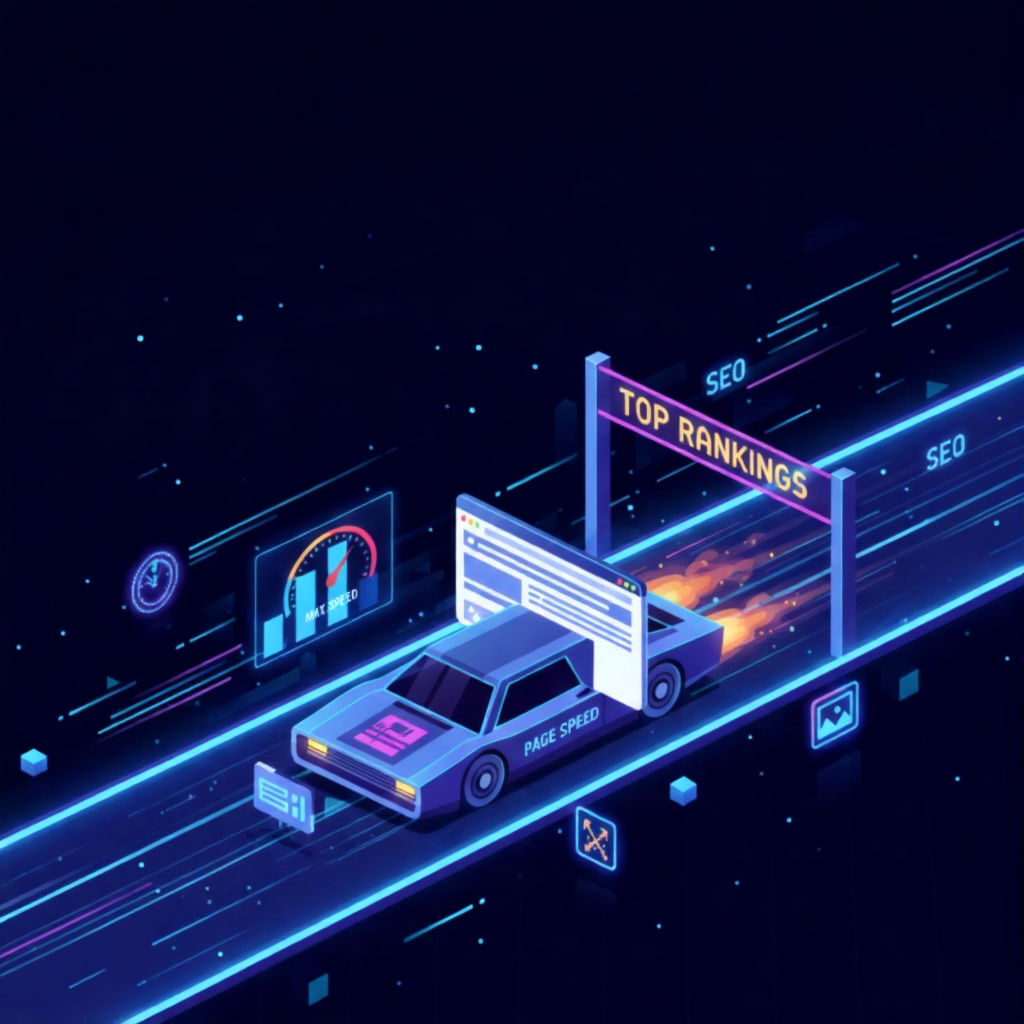
Speed also impacts mobile SEO, where users expect instant results and even small delays can cause drop-offs. By optimizing images, enabling caching, using a fast-hosting environment, compressing files, and reducing unnecessary scripts, you significantly improve page speed, helping your site meet Google’s expectations for performance.
Ultimately, search engines reward fast websites because they deliver a better experience and in today’s competitive landscape, speed has become a major ranking advantage that directly influences visibility, traffic, and conversions.
Fast-loading websites don’t just create a better user experience they directly influence how well you rank in search results. When your pages load quickly, users stay longer, interact more, and are less likely to abandon your site, all of which signal quality to search engines.
9. Keep Your Content Fresh to Maintain Strong Rankings
Google loves fresh, updated content, especially in industries like tech, finance, health, and any fast-changing niche, where things are constantly evolving. Keeping your content current and relevant in these areas can really give your rankings a boost as it is one of the important SEO Strategies.
Search engines favor pages that stay up to date, as fresh content signals that the site is active, trustworthy, and consistently providing value to users. This can involve adding new information, updating statistics, expanding explanations, refining keywords, improving readability, or replacing outdated examples.
Regularly refreshing your content helps prevent ranking drops, keeps your pages competitive in evolving search results, and ensures that your website continues to meet the needs of users looking for the latest and most reliable information.
Refresh your content by updating outdated info, adding new stats, expanding sections, improving readability, adding internal links, and revising your meta description to make it better.
Refreshing content often takes less time than writing new articles-and gives stronger results.
Conclusion
The SEO Strategies that still work are the ones that focus on delivering value, building trust and improving site performance. Even in 2026, the core SEO Strategies that focus on helpful content, great user experience, fast loading speeds, and strong technical performance continue to deliver the best results.
By staying consistent with these proven methods while adapting to new search trends you can keep your website visible, competitive, and ready for long-term growth in the ever-changing world of SEO.
SEO is no longer about tricking algorithms. It’s about becoming the best answer on the internet.
If you follow the SEO Strategies above consistently, you will see long term traffic growth, no hacks required.