
Social media is one of the most important marketing tools available today. In social media, the right strategy will help you grow your business and reach your target audience.
Most people post content randomly. They also try to follow different trends to see what works best. But a simple smart social media strategy can help beginners grow much faster.

What Is a Social Media Strategy?
A social media strategy is a clear plan which helps to determine what to post, where to post it, and why to post it. Through social media strategy, you can:
- Stay consistent
- Attract your target audience
- Build your brand identity
- Boost your engagement
- Help you grow your business much faster
social media is quite confusing and time wasting without a social media strategy.
Step 1: Set Clear Goals
Set your goals before creating and posting the content. Common Goals:
- Increase followers
- Increase leads
- Create brand awareness
- Improve website traffic
- Increase sales
- Build personal brand
Your goal determines your content type and platform to post. Example: For content related to products and services, goal must be to increase sales.
Step 2: Target Your Audience
You need to target your audience for better results You have to know their:
- Age group
- Education / employment
- interests
- behaviours etc.,
If you done it correctly, then your content becomes more relatable.
Step 3: Select Right Platforms
You need to be on platforms that your audience is already on. General platforms guide:
Instagram Best for: Visual content Mainly for: Reels, posts, stories Good for: Lifestyle, fashion, food, education, brands
Facebook Good for: Communities, local businesses Used for: Ads, groups
LinkedIn Best for: Professionals, B2B marketing Good for: Career, business content
YouTube Best for: Long video content Use for: Tutorials, reviews, education, entertainment
Twitter/X Good for: Quick updates, trending topics Use for: News, thought leadership
Select 1 or 2 platforms. You can always expand.
Step 4: Make Content Pillars
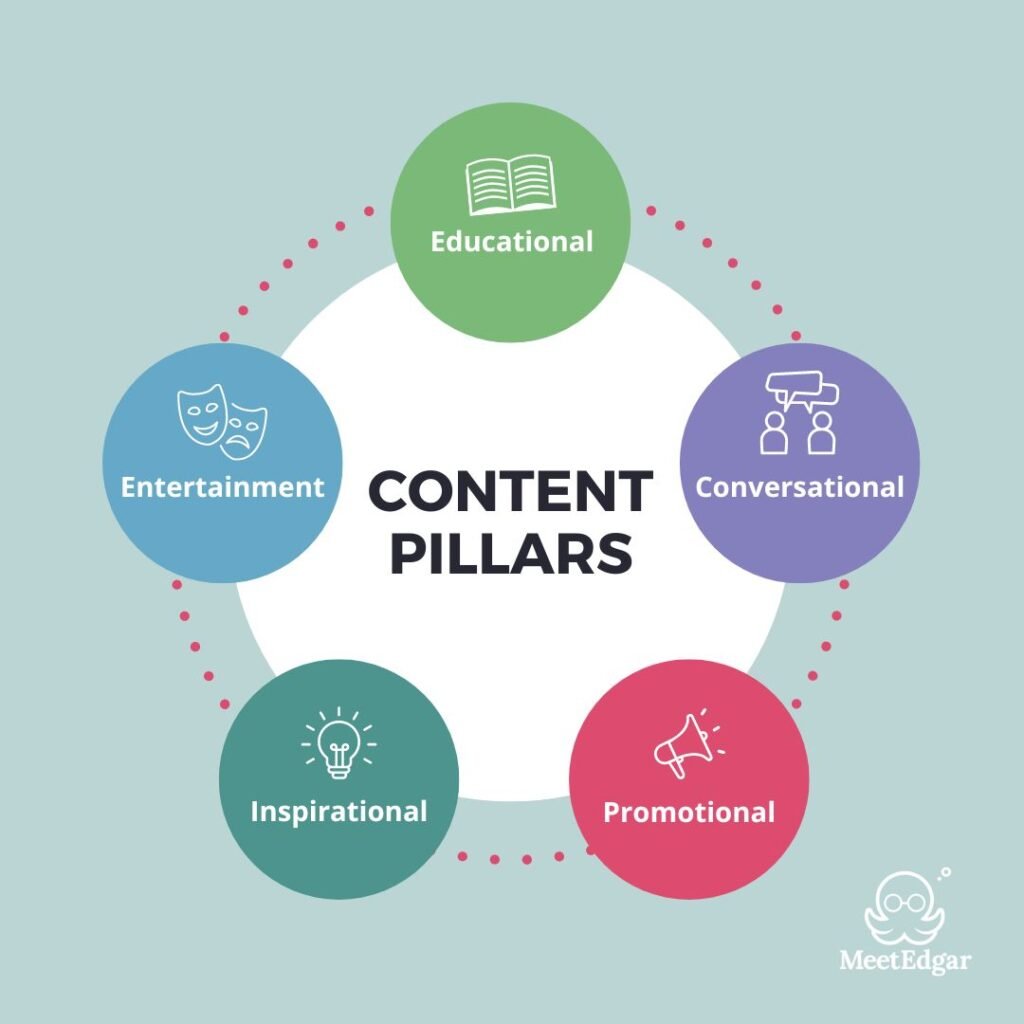
Content pillars are the main topics or areas that related to the content. For a business page, your content pillars are:
- Educational content
- Promotion of your product or service
- Testimonials
- Behind the scenes content
- Tips and advice in your industry
For your personal brand, your content pillars might be:
- Knowledge sharing
- Your personal experiences
- Your motivation
- Your daily insights
Step 5: Plan Your Content
Planning your content is always better. Create a content calendar, decide on the number of posts to be made per week, fix the days of the week when to post, plan your content in advance and include different types of content like images, short videos, reels, carousel, stories and live sessions.
Step 6: Make Quality Content
Good content attracts people. Tips to create quality content:
- Use simple words
- Include clear images
- Focus on problems
- Include useful content
- Include clear captions
- Include a clear message
- Always ask yourself, “Why should a person stop and watch?”
Step 7: Use Hashtags properly
Hashtags can help new people discover your content. Tips to use hashtags:
- Use relevant hashtags
- Use a mix of popular and niche hashtags
- Do not use so many hashtags
Step 8: Interact With Audience

Social media is also for engagement purpose like responding to comments, messages ASAP and asking questions in captions and also do polls and quizzes.
Step 9: Post At Right Time
In social media, timing is very important. General best times are Morning and Evening and check platform insights to know when your audience is online.
Step 10: Track Your Performance
You must measure your performance to improve. Important metrics:
- Reach
- Impressions
- Engagement rate
- Follower growth
- Clicks
- Conversions
Step 11: Learn Basic Content Design
ye-catching posts attract more attention. Basic design tips for beginners:
- Use bright and clean backgrounds
- Ensure text is readable
- Use brand colors
- Be consistent
- Make it simple
Step 12: Use Video Content
Video content is more popular than image content on most platforms. Video ideas for beginners:
- Short tips
- Tutorials
- Demonstrations
- FAQs
- Day in the life
- Short videos are entertaining and shareable.
Step 13: Do Collaborate with others
Collaboration helps you to reach a larger audience. You can collaborate with:
- Influencers
- Content creators
- Experts
- Local businesses
- Creating content with others improve trust and visibility.
Step 14: Be Updated
Social media trends change fast, and you should update. Ways to stay updated with trends:
- Follow industry pages
- Watch trending reels
- Watch your competitors
Common Mistakes You Should Avoid
- Posting without a goal
- Inconsistent posting
- Not paying attention to audience engagement
- Imitating others completely
- Lack of good quality visuals
- Expecting immediate results
- Growing on social media requires patience and time.
Simple Weekly Plan for Beginners
For instance, the following is a sample plan for a beginner: Monday: Educational post Wednesday: Reel or short video Friday: Value tips or carousel Sunday: Interactive story or poll
Benefits of Social Media Strategy
A good social media strategy will help you to:
- increase your online presence.
- create a good brand image.
- you gain more followers.
- increase your engagement rate.
- increase your leads and sales.
- grow in the long run.
Conclusion
Being successful on social media is not about posting randomly. It is about posting with purpose and a social media strategy. Start small. Choose the right platform. Understand your audience. Create useful content. Stay consistent. Engage regularly. Watch your results.
Even beginners can build a powerful social media presence with simple social media strategy and regular effort.